


-23%On Sale
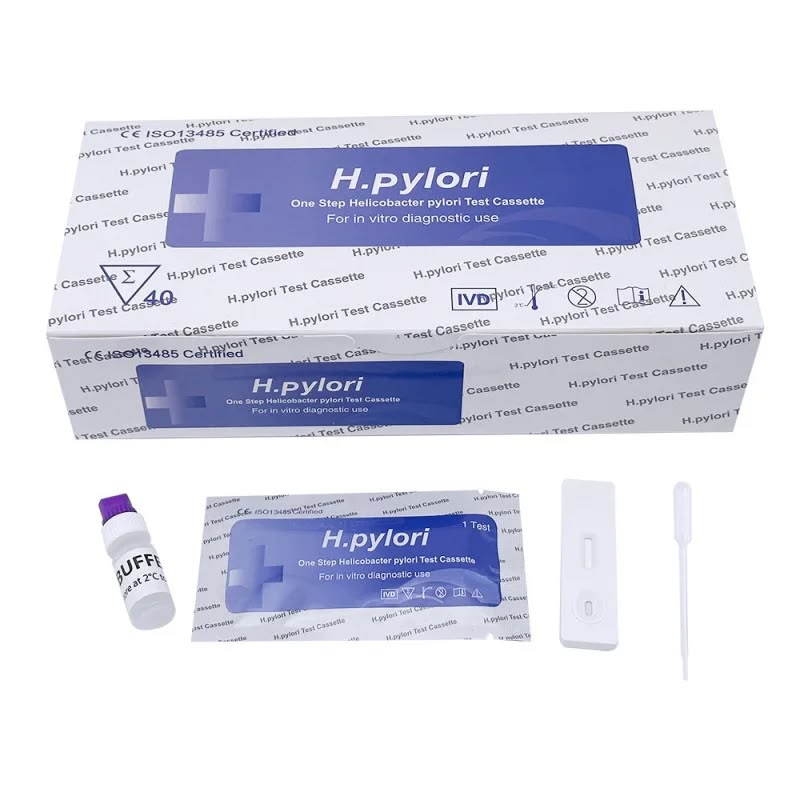
Helicobacter Pylori Antigen Test(H. pylori)
The Helicobacter Pylori Antigen Test (H. pylori) is a diagnostic test designed to detect H. pylori antigen according to the manufacturer’s specified procedure. It is suitable for professional laboratory and healthcare settings.
Original price was: KSh 3,500.KSh 2,700Current price is: KSh 2,700.
Description
Helicobacter Pylori Antigen Test Kenya
The Helicobacter Pylori Antigen Test Kenya is a diagnostic product designed to support the detection of Helicobacter pylori (H. pylori), a bacterium associated with certain gastrointestinal conditions. H. pylori infection can be investigated using several diagnostic approaches, including stool antigen testing, breath testing, blood antibody testing and biopsy-based testing. The appropriate method depends on the clinical situation and the testing procedure available to the healthcare facility.
At Beatam Medical Supplies, we provide laboratory test kits, medical supplies and healthcare products for hospitals, clinics, laboratories, diagnostic centres and other healthcare professionals in Kenya.
The exact sample type, test procedure, reaction time, storage conditions, pack size and performance characteristics of an H. pylori antigen test depend on the manufacturer and specific product configuration. Healthcare facilities should therefore follow the instructions supplied with the exact product being used.
Helicobacter Pylori Antigen Test for H. pylori Detection
An antigen test is designed to detect components, or antigens, associated with H. pylori. Stool antigen testing is one established non-invasive approach for detecting H. pylori infection. Mayo Clinic describes the stool antigen test as a test that looks for proteins, or antigens, related to H. pylori infection.
The American College of Gastroenterology also recognizes fecal antigen testing among tests that can identify active H. pylori infection.
This makes H. pylori antigen testing an important laboratory diagnostic option where an appropriate validated test is available.
Uses of the H. pylori Antigen Test
The H. pylori antigen test may be used as part of an appropriate diagnostic pathway when a healthcare professional suspects H. pylori infection. Testing decisions should be based on the patient’s clinical presentation and the healthcare professional’s assessment.
H. pylori is associated with gastrointestinal conditions including peptic ulcer disease. Current ACG guidance recommends testing patients with active peptic ulcer disease and certain other clinical indications.
Non-invasive H. pylori testing may also be considered in appropriate patients with dyspepsia. The specific testing approach should be selected by the healthcare professional according to the clinical circumstances.
The test should not be presented as a general test for all stomach symptoms. A positive or negative result should be interpreted together with the patient’s clinical history and other relevant investigations.
H. pylori Testing and Active Infection
An important advantage of tests that identify H. pylori directly or detect its antigens is that they can provide information about active infection.
This is different from antibody testing. Antibodies can remain detectable after an infection has been treated, meaning that an antibody result does not necessarily indicate that the infection is still present.
For this reason, the ACG guideline identifies tests such as fecal antigen testing and urea breath testing as preferred approaches in many situations where active infection needs to be identified.
Healthcare professionals should always interpret test results according to the manufacturer’s instructions and the patient’s clinical circumstances.
H. pylori Antigen Test for Diagnostic Laboratories
The Helicobacter Pylori Antigen Test Kenya can be a useful laboratory diagnostic product for healthcare facilities that provide gastrointestinal infection testing.
Hospitals, clinics, medical centres and diagnostic laboratories may require H. pylori testing products as part of their laboratory services. Maintaining appropriate diagnostic supplies can help laboratories support clinicians who require testing for patients with suspected H. pylori infection.
The exact workflow depends on the test manufacturer. Before performing the test, laboratory personnel should review the supplied instructions for use, confirm the required specimen type, check the expiry date and verify that the product has been stored according to the manufacturer’s requirements.
Follow the Manufacturer’s Instructions
Different H. pylori antigen tests can have different procedures. For this reason, the product description should not assume that every H. pylori test uses exactly the same sample, buffer, cassette, strip format or testing procedure.
Before use, healthcare professionals should verify:
- The approved specimen type
- Required specimen collection procedure
- Test procedure
- Required reagents or buffers
- Test interpretation procedure
- Storage requirements
- Expiry date
- Lot or batch information
- Packaging integrity
- Manufacturer’s instructions for use
This information should come from the actual product packaging and manufacturer’s documentation.
For Beatam’s product listing, specific technical specifications such as sensitivity, specificity, sample volume, test time, storage temperature and pack quantity should only be added after confirming them against the exact product supplied.
H. pylori Test Kit Kenya for Healthcare Facilities
Healthcare facilities looking for an H. pylori test kit Kenya can use the product as part of an appropriate diagnostic service when the test configuration matches their laboratory requirements.
A reliable diagnostic workflow begins with selecting a test that is appropriate for the intended application. Laboratory staff should also ensure that specimens are collected, handled and processed according to the manufacturer’s instructions and the facility’s laboratory procedures.
The test is a diagnostic aid and should not replace professional clinical assessment.
A healthcare professional may use the test result together with symptoms, medical history and other investigations when deciding how a patient should be managed.
Testing After H. pylori Treatment
H. pylori testing can also have a role after treatment. Current ACG recommendations state that eradication should be confirmed after treatment using a fecal antigen test, urea breath test or biopsy-based test. The guideline recommends performing confirmation testing at least four weeks after completion of therapy and withholding proton pump inhibitor therapy for an appropriate period before testing to reduce the possibility of false-negative results.
This is an important distinction when discussing H. pylori tests: a diagnostic test may be used in different clinical circumstances, but the timing and preparation requirements can affect interpretation.
Patients should follow instructions provided by their healthcare professional rather than changing medicines independently.
Quality Considerations When Purchasing H. pylori Tests
When purchasing an H. pylori antigen test, healthcare facilities should check the product label and accompanying documentation before use.
Important information may include the manufacturer, product reference or catalogue number, lot number, expiry date, specimen type, storage requirements, test procedure and interpretation criteria.
The packaging should also be checked for damage or signs of compromised integrity.
Where the product is intended for professional diagnostic use, it should be handled and used by appropriately trained personnel in accordance with applicable laboratory procedures and the manufacturer’s instructions.
Helicobacter Pylori Antigen Test Kenya from Beatam Medical Supplies
Beatam Medical Supplies supplies medical equipment, laboratory products, diagnostic test kits and healthcare supplies to customers in Nairobi and across Kenya.
Our laboratory test range supports healthcare facilities, diagnostic laboratories, medical professionals and other organizations that require dependable laboratory consumables and diagnostic products.
If you are looking for a Helicobacter Pylori Antigen Test Kenya, confirm the exact product configuration, manufacturer, specimen type, pack size and technical specifications before ordering. This is especially important because H. pylori diagnostic products are available in different formats and configurations.
For bulk orders or facility procurement, customers can contact Beatam Medical Supplies to confirm product availability and the specifications of the current stock.
Important Diagnostic Information
An H. pylori antigen test is a diagnostic aid and should be used according to the manufacturer’s instructions. A test result should be interpreted by an appropriately qualified healthcare professional in conjunction with the patient’s clinical information.
The American College of Gastroenterology notes that H. pylori infection can be associated with peptic ulcer disease and other clinically important conditions, and recommends appropriate testing and treatment for patients who meet relevant indications.
For general patient and professional information about H. pylori diagnosis, the American College of Gastroenterology explains that diagnostic approaches include stool testing, breath testing, blood testing and biopsy-based testing.
Why Choose Beatam Medical Supplies?
Beatam Medical Supplies provides medical equipment, laboratory supplies, diagnostic products and healthcare consumables for customers in Kenya.
Whether you are purchasing for a hospital, diagnostic laboratory, clinic or medical facility, selecting the appropriate H. pylori diagnostic product is important. Customers can confirm the available product configuration and technical information with Beatam before ordering.
For professional diagnostic use, always follow the manufacturer’s instructions, applicable laboratory procedures and relevant healthcare requirements.
Contact Beatam Medical Supplies in Nairobi, Kenya to enquire about the availability of Helicobacter Pylori Antigen Test products.


Reviews
There are no reviews yet.